





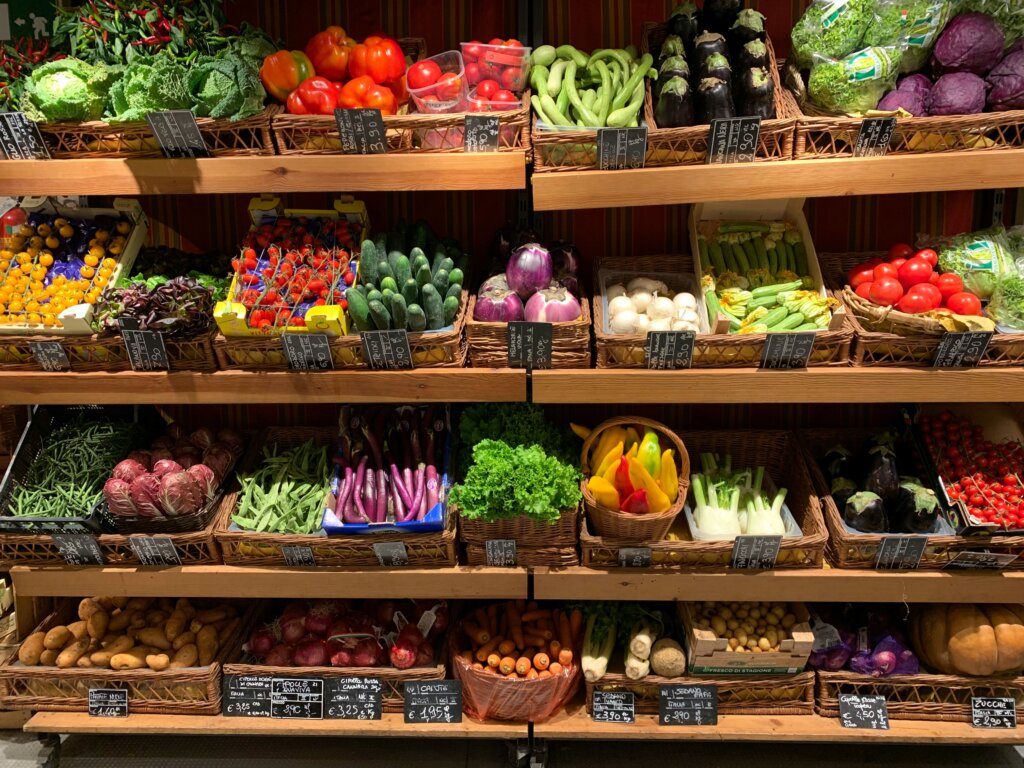
In terms of food security, the project will improve nutritional diversity, sanitation and hygiene in 5,000 vulnerable households in the intervention communities, benefiting some 25,000 people.
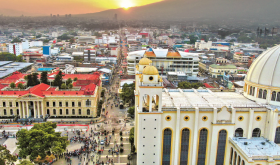
The World Bank (WB), Japan and El Salvador are collaborating on a project to improve market access, food security and nutritional diversity in the El Balsamo mountain range, Department of La Libertad. This initiative will directly benefit 6,250 farming families and will be implemented by El Salvador’s Catholic Relief Services (CRS).
“Leave no one behind, with this motto we have been working for more than two decades together with the World Bank in El Salvador,” said the Ambassador of Japan in El Salvador, Yoshitaka HOSHINO. ‘Supporting the productive development and marketing of farmers’ products in rural communities, applying new techniques that help them mitigate the effects of climate change, will complement the work of Japanese cooperation in the country.”
The project “Connecting farming communities with coastal economies in the Balsamo- Costa Viva”, financed with a grant of US$2. 76 million grant from the Japan Social Development Fund (JSDF), and approved by the WB in May of this year, will connect producers of basic grains, fruits, vegetables and coffee in the El Bálsamo mountain range with the expanding economies of the coast, including markets, hotels and restaurants, which in turn will benefit from improvements in the inclusiveness, sustainability and quality of the products provided by the farmers.
“We at the World Bank are excited to be part of this project that seeks to transform the way food is produced and marketed in communities with high economic needs and high food and nutrition insecurity in El Salvador. It is a remarkable, high-impact effort to protect our planet and ensure good nutrition for future generations,” said Carine Clert, World Bank Country Manager for El Salvador and Costa Rica.
In particular, 1,250 farming families in the districts of Chiltiupán, Comasagua and Tamanique will be linked to the coastal and Santa Tecla markets in La Libertad, improving access to fresh, nutritious food and helping to reduce poverty in these rural communities.
In terms of food security, the project will improve nutritional diversity, health and hygiene in 5,000 vulnerable households in the intervention communities, benefiting some 25,000 people.
“Farmers, including women and youth, are key to landscape restoration, agricultural development and the creation of partnerships that improve access to markets. Costa Viva seeks to improve livelihoods with a strong community impact,” added Blain Cerney, Country Representative for Catholic Relief Services in El Salvador.
The project, scheduled to end in December 2027, will finance business plans for farmers who adopt climate and nutritionally smart practices to boost environmental sustainability and nutritional inputs, as well as increase productivity and household incomes. To achieve this, the creation of productive alliances between farmers and local markets will be encouraged with the support of Community Development Associations.
Source: Forbes Centroamerica
Share
« El Salvador’s investment offer is presented in ChinaMore than 140 Salvadoran products expanded their export destinations in 2023. »