





The financial company explains that this new change is because they have considered that the Government’s short-term debt reprofiling strategy mitigates default risks.
Standard & Poor’s (S&P) Global Ratings once again upgraded El Salvador’s credit rating. In a report shared yesterday, the US firm raised the country’s sovereign credit ratings to ‘B-/B’ after having maintained them at ‘CCC+/C’. The firm also indicated that the long-term outlook for the country is “stable”.
This is the second consecutive time this year that the company has raised its credit rating for the country. In May, it reported that it would raise its note to ‘CCC+/C’ from ‘SD/SD’, in response to the success of the two debt repurchase operations that took place in 2022.
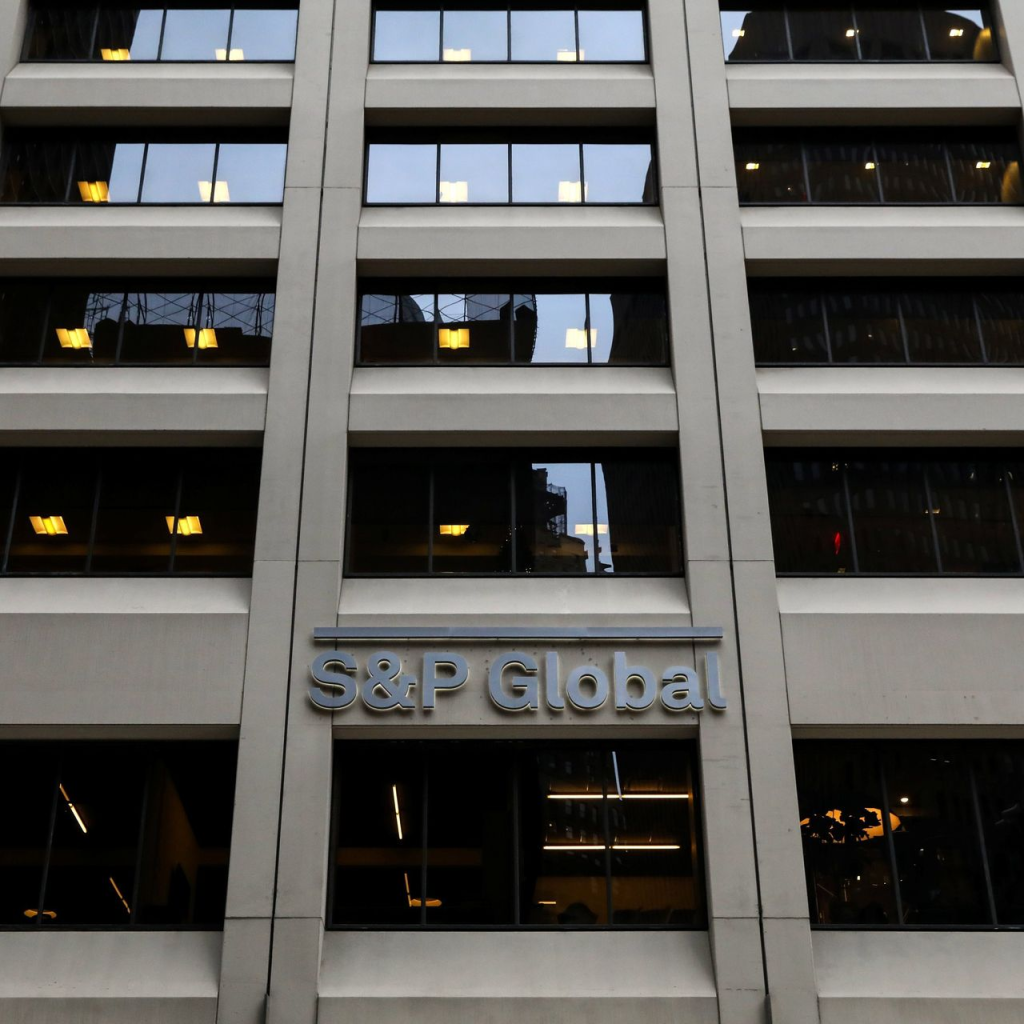
For this new modification, the main reason alluded to by the rating company is that it has considered that the short-term debt reprofiling strategy announced by the Salvadoran government together with local banks mitigates the risk of default in the next two years.
“We raised our sovereign credit ratings on El Salvador to ‘B-/B’ because we view the government’s recent program to gradually refinance its short-term debt with local banks as reducing refinancing needs and mitigating default risk over the next two years. This strategy is another step in the broad debt reprofiling process that began about a year ago, with two debt repurchases and a pension debt swap,” the document states.
In this regard, the head of the Ministry of Finance (MH), Jerson Posada, considered that the new perspectives of the rating firm come as a response to the actions that have been taken in the management of liabilities.
“S&P Global Ratings has upgraded our credit rating thanks to the commitment and capacity demonstrated by the Government of President Nayib Bukele to honor its obligations and the excellent results of our debt management strategy,” he wrote on the social network “X”.
Last August 24, the Asociación Bancaria Salvadoreña (Abansa) presented a proposal to modify the structure of short-term debt issuance to terms of two, three, five, and seven years, which was accepted and approved by the MH.
El Salvador’s debt structure, left by the ARENA and FMLN governments, had maturities of no more than 365 days, which implied a significant fiscal effort to meet these obligations, so the Treasury accepted the private bank’s proposal.
The strategy, which has been developed since last October, considers a plan of new issuances, through which the respective payment will be made at the maturity of each security in possession of the participating banks, and subsequently the issuance of new securities at a longer term, without increasing the country’s debt.
This initiative seeks to reprofile about 54% of the total short-term debt, which is the debt held by the participating banks. Specifically, this operation involves around $1.5 billion.
“El Salvador is gradually reprofiling its short-term debt held by local banks (paying outstanding short-term bills and then issuing new debt obligations with longer maturities), reducing the government’s refinancing risk,” the document states.
Importantly, S&P considers the modification of the short-term debt structure to be “another step in the broad process of debt reprofiling that began about a year ago, with two debt buybacks and a pension debt swap.”
Source: Diario El Salvador
Share
« Adopting Bitcoin 2023 begins tomorrow in El SalvadorSalvadorans living abroad who come to reside in the country are exempt from paying taxes »